
Understanding the Impact of Weather on Painting Outcomes
Weather plays a crucial role in the success of painting projects. Whether you’re planning to paint your home’s exterior or a commercial building, understanding how weather conditions affect the process is essential. Factors like temperature, humidity, and precipitation can influence the drying time and finish quality. Choosing the right time and preparing adequately for these elements can make a significant difference in achieving a lasting result. Let’s explore why considering the weather is vital for any painting project.
The Role of Temperature in Paint Application
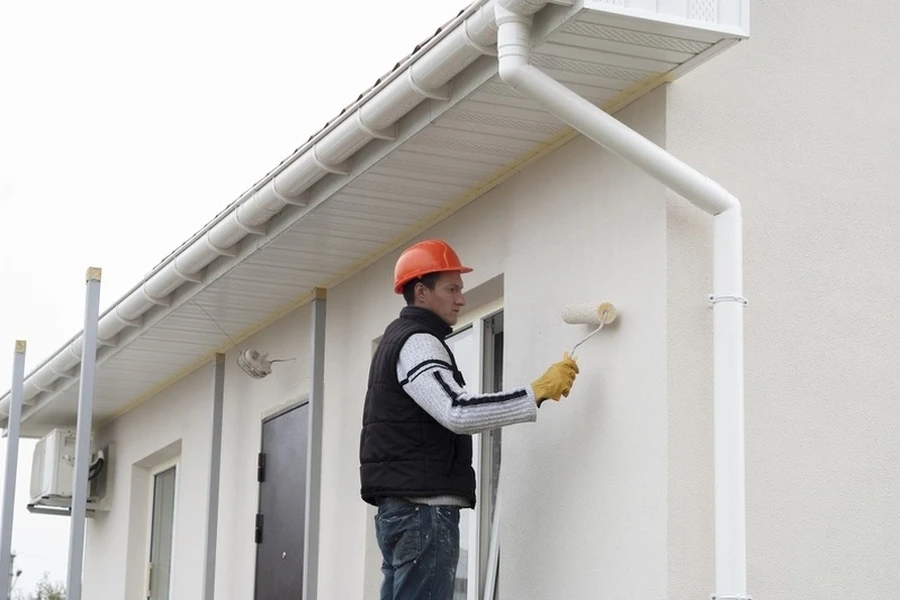
Temperature is one of the most critical factors in exterior painting. Paint needs optimal conditions to adhere properly and dry smoothly. High temperatures can cause paint to dry too quickly, leading to cracks and peeling. Conversely, low temperatures might prevent proper drying altogether. For best results, aim to paint when the temperature ranges between 50°F and 85°F. This range ensures that paint cures effectively without adverse reactions.
Humidity’s Influence on Paint Drying
Humidity affects how paint dries by altering moisture levels in the air. High humidity slows down evaporation, causing paint to remain tacky longer than expected. This delay can lead to issues like dust settling on wet surfaces or streaks forming as water vapor interferes with drying. When planning an exterior painting project, it’s advisable to check local humidity levels and choose days when they are moderate, usually below 70%.
Wind’s Effect on Paint Quality
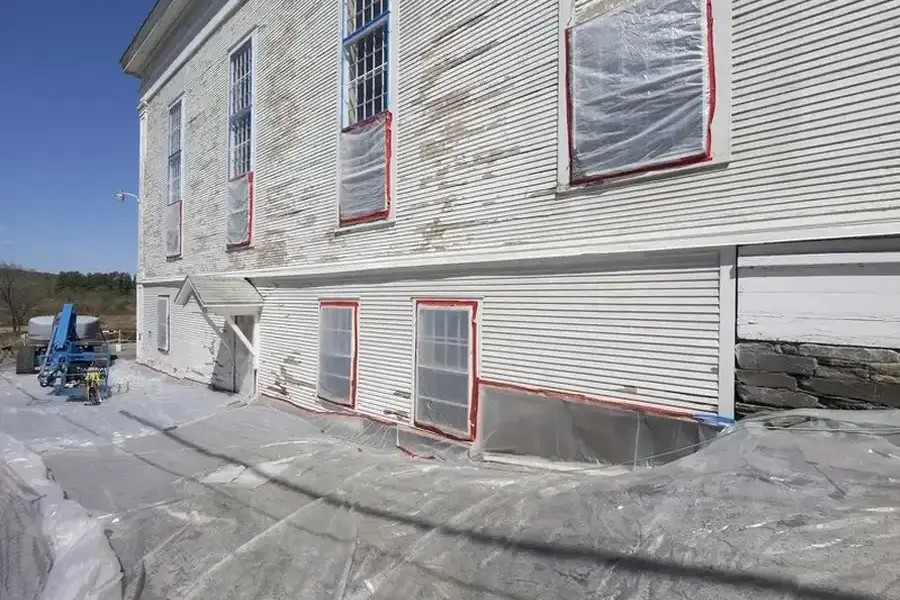
While wind might seem less concerning, it poses challenges for exterior painting projects. Strong winds can carry dirt and debris onto freshly painted surfaces, ruining the finish. Additionally, wind accelerates drying times, which can cause uneven application and texture variations. Painting on calm days helps maintain a smooth surface free from unexpected particles.
Planning Around Precipitation
Rain is another weather element that can disrupt painting efforts. Moisture from rain can affect both the application and curing stages of the paint job. If paint doesn’t have adequate time to dry before rainfall, it could wash away or develop unsightly blisters. It’s crucial to plan painting projects during periods with minimal rain forecasts to ensure high-quality results.
Best Practices for Weather-Resilient Painting
Adapting techniques based on weather conditions can enhance the durability of your paint job. Here are some best practices:
- Select paints formulated for specific climates if necessary.
- Monitor weather reports closely before scheduling work.
- Utilize protective coverings when facing unavoidable elements like wind or rain.
- Avoid starting new sections late in the day when temperatures drop significantly at night.
The Cost Implications of Poor Weather Decisions
Poor weather choices can inflate costs in several ways. Repainting due to inadequate preparation or unexpected damages increases labor and material expenses. Additionally, frequent touch-ups diminish overall value over time. By aligning projects with optimal weather conditions, you minimize unnecessary spending while maximizing product longevity.
Your Trusted Partner for Successful Painting Projects
At Beto's Home Construction, we understand how crucial weather considerations are for successful painting outcomes. Our experienced team offers expert advice tailored specifically toward overcoming climate challenges inherent within Baldwin Park, CA. Contact us today at (626) 482-8931 to discuss your next project!